Why Vegan Snacking is the Future of Healthy Eating
Vegan snacks have evolved from a niche market to a mainstream health phenomenon. With the global vegan food market projected to reach $36.3 billion by 2030, plant-based snacking is no longer just for vegans—it's for anyone seeking healthier, more sustainable food choices.
Whether you're a committed vegan, a curious flexitarian, or simply looking to reduce your environmental footprint, this comprehensive guide will introduce you to the best vegan snacks available today. From protein-packed options for athletes to low-calorie treats for weight management, we've curated over 50 plant-based snacks that prove healthy eating doesn't mean sacrificing flavor.
In this guide, you'll discover:
- 50+ vegan snacks organized by category and occasion
- Nutritional benefits of plant-based snacking
- Easy homemade recipes you can make in minutes
- Expert tips for choosing healthy vegan snacks
- Video tutorials from our YouTube channel @veganlifestyles
The Benefits of Plant-Based Snacking
Health Benefits
Plant-based snacks offer numerous health advantages over traditional processed snacks. Studies show that vegan diets are associated with lower rates of heart disease, type 2 diabetes, and certain cancers. When you choose vegan snacks, you're not just avoiding animal products—you're actively nourishing your body with:
- Higher fiber content: Most plant-based snacks are rich in dietary fiber, which aids digestion and helps maintain healthy blood sugar levels
- More antioxidants: Fruits, vegetables, nuts, and seeds are packed with antioxidants that fight inflammation and protect against chronic diseases
- Healthy fats: Nuts, seeds, and avocados provide monounsaturated and polyunsaturated fats that support heart health
- Essential vitamins and minerals: Plant-based snacks often contain iron, calcium, potassium, and vitamins A, C, and K
Environmental Benefits
Choosing vegan snacks isn't just good for your health—it's good for the planet. Animal agriculture is responsible for approximately 14.5% of global greenhouse gas emissions. By opting for plant-based alternatives, you're:
- Reducing your carbon footprint: Plant-based foods produce fewer emissions than animal products
- Conserving water: Producing plant-based snacks requires significantly less water than meat and dairy
- Protecting biodiversity: Plant-based agriculture generally uses less land and preserves natural habitats
- Supporting sustainable farming: Many vegan snack brands prioritize sustainable sourcing and ethical practices
Weight Management Benefits
Research consistently shows that plant-based diets support healthy weight management. Vegan snacks tend to be:
- Lower in calories: Many plant-based snacks have fewer calories than their animal-based counterparts
- Higher in volume: Fiber and water content help you feel full with fewer calories
- Nutrient-dense: You get more nutrition per calorie, supporting overall health while managing weight
The 50+ Best Vegan Snacks for Every Occasion
We've organized our top vegan snack recommendations by category to help you find the perfect plant-based treat for any situation. Each snack has been selected for taste, nutrition, availability, and overall quality.
High-Protein Vegan Snacks
For athletes, fitness enthusiasts, or anyone needing sustained energy, these protein-packed vegan snacks deliver:
Vegan Energy Balls
Homemade energy balls made with oats, peanut butter, and plant-based protein powder. Each ball provides 8-10g of protein and can be customized with your favorite mix-ins.
10g Protein No-Bake Meal Prep
Plant-Based Protein Bars
Commercial protein bars made with pea, rice, or hemp protein. Look for brands with minimal added sugars and whole food ingredients.
15-20g Protein On-the-Go Post-Workout
Roasted Chickpeas
Crispy, crunchy, and packed with protein. Roasted chickpeas come in dozens of flavors and provide 6g of protein per serving.
6g Protein Crunchy SavoryLow-Calorie Vegan Snacks for Weight Loss
These snacks prove that healthy eating doesn't mean deprivation. Each option is low in calories but high in flavor and satisfaction:
Vegetable Sticks with Hummus
Crisp cucumber, carrot, and celery sticks paired with protein-rich hummus. A classic combination that's both satisfying and nutritious.
50 Calories Crunchy Fiber-Rich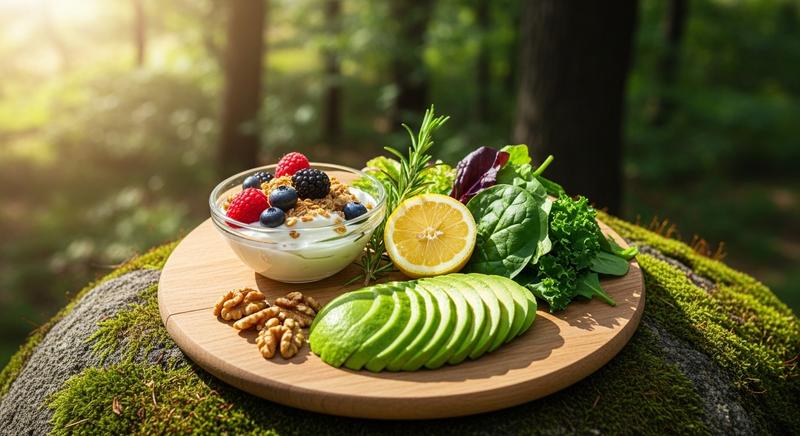
Air-Popped Popcorn
A whole grain snack that's naturally vegan and incredibly low in calories. Three cups provide only 90 calories with 3g of fiber.
90 Calories Whole Grain High Volume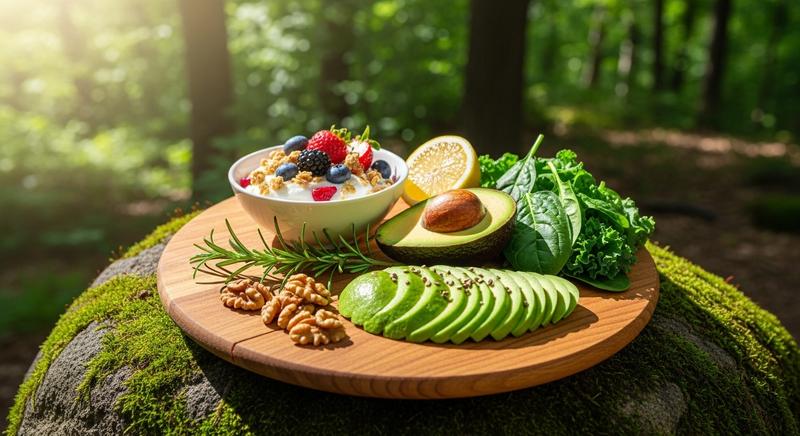
Frozen Grapes
Sweet, refreshing, and naturally candy-like when frozen. One cup provides only 100 calories with antioxidants and natural sugars.
100 Calories Sweet Antioxidant-RichVegan Snacks for Kids
Getting kids to eat healthy can be challenging, but these fun, kid-friendly vegan snacks make it easy:
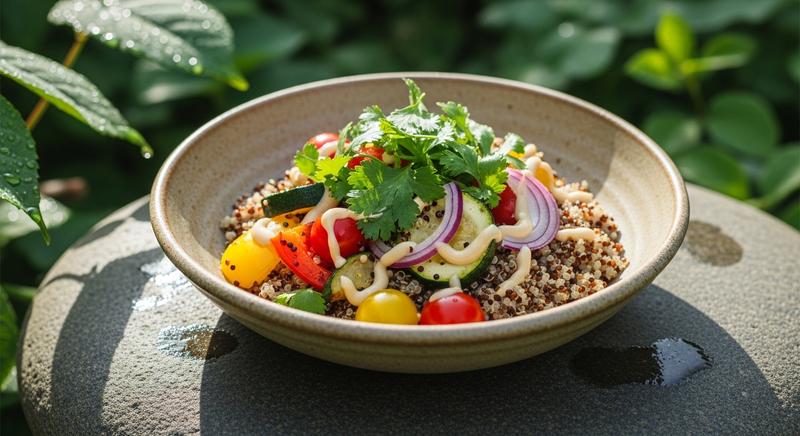
Colorful Fruit Kebabs
Thread strawberries, grapes, pineapple, and melon onto skewers for a fun, interactive snack that kids love to make and eat.
Fun Colorful Vitamin-Rich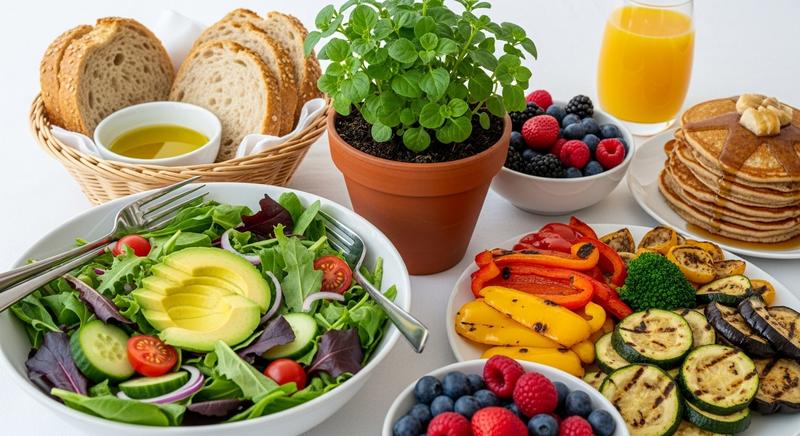
Mini Veggie Muffins
Bite-sized muffins packed with hidden vegetables like zucchini, carrots, and spinach. Kids love the taste, parents love the nutrition.
Hidden Veggies Portable Freezer-Friendly
Ants on a Log
The classic celery sticks filled with peanut butter and topped with raisins. A timeless snack that's crunchy, creamy, and sweet.
Classic No-Cook Protein + FiberVegan Snacks for Parties
Entertain guests with these impressive yet easy-to-make vegan party snacks:
Loaded Vegan Nachos
Crispy tortilla chips topped with vegan cheese, black beans, guacamole, and salsa. A crowd-pleasing appetizer that's always a hit.
Crowd-Pleaser Shareable Customizable
Stuffed Medjool Dates
Sweet dates filled with nut butter and topped with dark chocolate or sea salt. An elegant, naturally sweet treat that feels indulgent.
Elegant Naturally Sweet No-Bake
Fresh Veggie Platter with Dips
A colorful arrangement of fresh vegetables with hummus, guacamole, and vegan ranch. Always a healthy option at any gathering.
Fresh Healthy Visually AppealingGluten-Free Vegan Snacks
For those with gluten sensitivities, these vegan snacks are naturally gluten-free:
Brown Rice Cakes with Toppings
Light, crispy rice cakes topped with avocado, almond butter, or hummus. A versatile base for endless flavor combinations.
Gluten-Free Versatile Light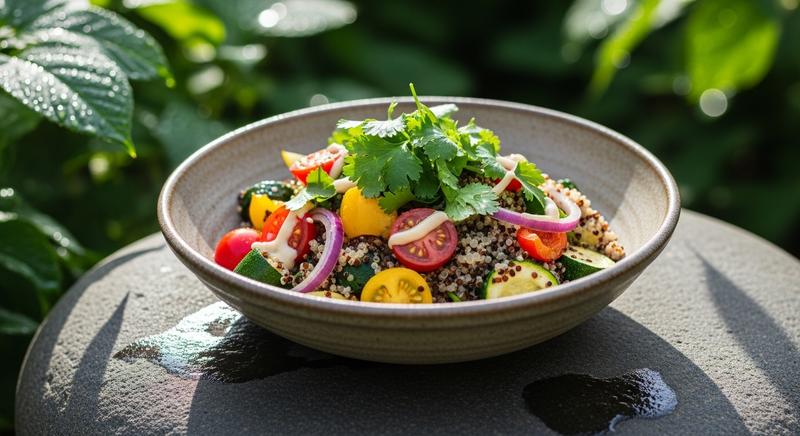
Mixed Nuts and Seeds
A satisfying blend of almonds, cashews, walnuts, pumpkin seeds, and sunflower seeds. Naturally gluten-free and packed with healthy fats.
Gluten-Free Healthy Fats Satisfying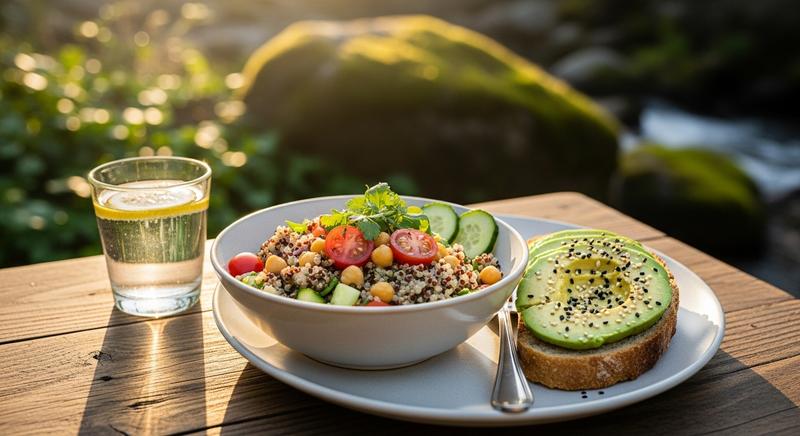
Fresh Fruit Smoothie
Blend your favorite fruits with plant-based milk for a refreshing, nutrient-dense snack. Add protein powder for extra staying power.
Gluten-Free Refreshing Nutrient-DenseEasy Homemade Vegan Snack Recipes
Making your own vegan snacks at home is easier than you think. These simple recipes require minimal ingredients and can be prepared in minutes.
No-Bake Vegan Energy Balls
These energy balls are the perfect grab-and-go snack. They're packed with protein, healthy fats, and natural sweetness.
Ingredients:
- 1 cup rolled oats
- 1/2 cup peanut butter (or almond butter)
- 1/3 cup maple syrup or agave nectar
- 1/2 cup dark chocolate chips
- 2 tablespoons chia seeds
- 1 teaspoon vanilla extract
Instructions:
- Mix all ingredients in a large bowl until well combined
- Refrigerate for 30 minutes to make rolling easier
- Roll into 1-inch balls using your hands
- Store in an airtight container in the fridge for up to one week
Nutrition per ball: 120 calories, 5g protein, 15g carbs, 6g fat, 3g fiber
Homemade Hummus
Creamy, flavorful hummus is endlessly customizable and perfect for dipping vegetables or spreading on rice cakes.
Ingredients:
- 1 can (15 oz) chickpeas, drained and rinsed
- 1/4 cup fresh lemon juice
- 1/4 cup tahini
- 1 small garlic clove, minced
- 2 tablespoons olive oil
- Salt and pepper to taste
Instructions:
- Add all ingredients to a food processor
- Blend until smooth and creamy, scraping down sides as needed
- Add water 1 tablespoon at a time if needed for desired consistency
- Drizzle with olive oil and sprinkle with paprika before serving
Nutrition per 2 tablespoons: 70 calories, 3g protein, 6g carbs, 4g fat, 2g fiber
Quick Vegan Trail Mix
Create your own custom trail mix with your favorite nuts, seeds, and dried fruits.
Ingredients:
- 1 cup mixed nuts (almonds, cashews, walnuts)
- 1/2 cup seeds (pumpkin, sunflower)
- 1/2 cup dried fruits (cranberries, raisins, apricots)
- 1/4 cup dark chocolate chips
- 1/4 cup coconut flakes
Instructions:
- Combine all ingredients in a large bowl
- Mix well to distribute evenly
- Store in an airtight container for up to one month
- Portion into small bags for on-the-go snacking
Nutrition per 1/4 cup: 180 calories, 6g protein, 15g carbs, 12g fat, 3g fiber
Watch Our Vegan Snack Tutorials
Learn how to make delicious vegan snacks with our YouTube channel @veganlifestyles
The Science Behind Plant-Based Snacking
Understanding the science behind vegan snacking helps you make informed choices that optimize your health outcomes. Let's explore the key scientific principles that make plant-based snacking so beneficial.
Fiber and Satiety
Dietary fiber plays a crucial role in weight management and digestive health. Soluble fiber, found in oats, apples, and legumes, forms a gel-like substance in your digestive tract that slows gastric emptying and promotes feelings of fullness. Insoluble fiber, found in whole grains, vegetables, and nuts, adds bulk to your stool and promotes regular bowel movements. Most Americans consume only 10-15 grams of fiber daily, far below the recommended 25-38 grams. Vegan snacks are naturally fiber-rich, making them excellent tools for meeting your daily fiber needs.
Research published in the Annals of Internal Medicine found that simply increasing fiber intake to 30 grams per day resulted in meaningful weight loss, even without other dietary changes. This finding underscores the power of fiber-rich vegan snacks for weight management.
Phytochemicals and Antioxidants
Plant foods contain thousands of phytochemicals—bioactive compounds that promote health beyond basic nutrition. These include polyphenols (found in berries, tea, and dark chocolate), carotenoids (found in orange and yellow vegetables), glucosinolates (found in cruciferous vegetables), and isoflavones (found in soy products). Phytochemicals act as antioxidants, reducing oxidative stress and inflammation that contribute to chronic diseases.
A study in the Journal of Nutrition found that individuals with the highest phytochemical intake had a 20% lower risk of cardiovascular disease compared to those with the lowest intake. By choosing phytochemical-rich vegan snacks like berries, nuts, and colorful vegetables, you're actively protecting your long-term health.
Gut Microbiome Support
Your gut microbiome—the trillions of bacteria living in your digestive tract—plays a crucial role in immune function, mental health, and metabolism. Plant-based foods support a diverse, healthy microbiome through their fiber content, which feeds beneficial bacteria. A diverse microbiome is associated with better health outcomes, while an imbalanced microbiome has been linked to obesity, diabetes, and autoimmune conditions.
Fermented vegan snacks like kimchi, sauerkraut, and kombucha provide probiotics—live beneficial bacteria that colonize your gut. Prebiotic foods like garlic, onions, and bananas provide the fiber that feeds these beneficial bacteria. Combining probiotic and prebiotic snacks creates a synergistic effect that maximizes gut health benefits.
Building Your Vegan Snack Arsenal
Successfully incorporating vegan snacks into your lifestyle requires planning and preparation. Here's how to build a sustainable snacking system that supports your health goals:
Stocking Your Pantry
A well-stocked pantry makes healthy snacking effortless. Keep these staples on hand:
- Nuts and seeds: Almonds, walnuts, cashews, pumpkin seeds, sunflower seeds, chia seeds, hemp hearts
- Dried fruits: Raisins, cranberries, apricots, dates, figs (choose unsweetened varieties)
- Whole grains: Oats, quinoa, brown rice, popcorn kernels
- Canned legumes: Chickpeas, black beans, lentils, white beans
- Nut butters: Peanut butter, almond butter, cashew butter (choose varieties with no added sugar)
- Spices and seasonings: Nutritional yeast, cumin, smoked paprika, turmeric, cinnamon
- Plant-based milks: Almond, soy, oat (choose unsweetened, fortified varieties)
Weekly Meal Prep Routine
Spend 1-2 hours each weekend preparing snacks for the week. This investment of time ensures you always have healthy options available, even during busy days. A typical meal prep session might include:
- Mixing and rolling a batch of energy balls (makes 20-24)
- Roasting a tray of chickpeas (makes 4 servings)
- Washing and cutting vegetables for the week
- Preparing a batch of hummus or dip
- Portioning trail mix into individual servings
- Soaking oats for overnight oats (makes 5 servings)
Smart Snacking Strategies
Maximize the benefits of your vegan snacks with these expert strategies:
- Pre-portion snacks: Avoid eating directly from large containers. Divide snacks into individual servings to prevent overeating.
- Pair macronutrients: Combine carbohydrates with protein or healthy fat for sustained energy. Apple slices with almond butter, vegetables with hummus, or rice cakes with avocado are excellent combinations.
- Time your snacks: Eat snacks between meals to maintain stable blood sugar and prevent excessive hunger that leads to overeating. Mid-morning and mid-afternoon are ideal snack times.
- Stay hydrated: Thirst is often mistaken for hunger. Drink water before reaching for a snack to ensure you're truly hungry.
- Listen to your body: Eat when you're hungry, stop when you're satisfied. Mindful eating prevents both undereating and overeating.
Environmental Impact of Your Snack Choices
Choosing vegan snacks isn't just good for your health—it's one of the most impactful environmental choices you can make. Animal agriculture is responsible for approximately 14.5% of global greenhouse gas emissions, more than the entire transportation sector. By choosing plant-based snacks, you're directly reducing your carbon footprint.
Water Conservation
Animal agriculture is incredibly water-intensive. Producing one pound of beef requires approximately 1,800 gallons of water, while producing one pound of vegetables requires only about 39 gallons. By choosing vegan snacks, you're conserving thousands of gallons of water annually. This water conservation becomes increasingly important as climate change intensifies drought conditions in many regions.
Land Use Efficiency
Plant-based foods are far more land-efficient than animal products. It takes approximately 20 times more land to produce a gram of protein from beef than from beans. By choosing vegan snacks, you're helping preserve forests, reduce habitat destruction, and protect biodiversity. The land saved from animal agriculture could be reforested, helping to sequester carbon and combat climate change.
Pollution Reduction
Animal agriculture is a major source of water pollution, contributing to dead zones in oceans and lakes. Runoff from factory farms contains excess nutrients, antibiotics, and pathogens that contaminate waterways. Plant-based agriculture produces significantly less pollution, helping protect aquatic ecosystems and drinking water sources.
Supporting Sustainable Agriculture
Many vegan snack brands prioritize sustainable farming practices, including organic agriculture, regenerative farming, and fair trade sourcing. By choosing these brands, you're supporting agricultural systems that protect soil health, conserve water, and promote biodiversity. Look for certifications like USDA Organic, Regenerative Organic Certified, and Fair Trade when purchasing vegan snacks.
Seasonal Vegan Snacking Guide
Eating seasonally is one of the most impactful changes you can make for both your health and the environment. Seasonal produce is harvested at peak ripeness, meaning it contains more nutrients and flavor than out-of-season alternatives that are often picked early and shipped long distances. Additionally, seasonal eating supports local farmers, reduces carbon emissions from transportation, and helps you discover new foods throughout the year.
Spring Snacks (March-May)
Spring brings an abundance of fresh greens and early fruits. This is the perfect time to incorporate nutrient-dense snacks that support your body's transition from winter comfort foods to lighter fare. Asparagus, peas, radishes, and artichokes are at their peak. Strawberries begin to appear in farmers' markets, and fresh herbs like mint and cilantro add brightness to any snack. Try asparagus spears with hummus, pea pods with almond butter, or fresh strawberry slices with coconut cream. Spring is also ideal for sprouting seeds and legumes, creating living foods rich in enzymes and nutrients.
Summer Snacks (June-August)
Summer offers the widest variety of fresh produce, making it the easiest season for vegan snacking. Tomatoes, cucumbers, peppers, corn, berries, peaches, and melons are all at their peak. This is the season for refreshing snacks that hydrate and cool: watermelon cubes, cucumber gazpacho shots, fresh salsa with homemade tortilla chips, and frozen grape clusters. Summer is also perfect for outdoor snacking—pack trail mix, fruit skewers, and veggie wraps for picnics, beach trips, and hiking adventures. The abundance of fresh produce means you can eat a different snack every day without repetition.
Fall Snacks (September-November)
Fall brings warm, comforting flavors and hearty produce that makes satisfying snacks. Apples, pears, pumpkin, sweet potatoes, squash, and cranberries are all in season. This is the perfect time for baked goods: apple slices with nut butter, roasted pumpkin seeds, sweet potato chips, and cranberry energy balls. Fall is also ideal for warming spices like cinnamon, nutmeg, and ginger, which add flavor and provide anti-inflammatory benefits. As temperatures cool, consider warm snacks like baked apples, pumpkin spice smoothies, and cinnamon-roasted nuts.
Winter Snacks (December-February)
Winter may seem challenging for fresh snacking, but citrus fruits, root vegetables, and hearty greens are at their peak. Oranges, grapefruits, lemons, carrots, beets, and kale provide essential vitamins during cold and flu season. This is the season for immune-boosting snacks: citrus segments, roasted root vegetable chips, kale chips, and warming herbal teas paired with nut-based treats. Winter is also ideal for meal prep, as many winter snacks store well and provide convenience during busy holiday seasons.
Video Resources from @veganlifestyles
Our YouTube channel @veganlifestyles provides visual demonstrations for many of the recipes and techniques discussed in this guide. Video content is particularly helpful for learning proper techniques, seeing texture and consistency cues, and getting inspiration for your own snack creations.
Featured Video Series
We've organized our video content into several series to help you find what you need:
Quick & Easy Snacks (5-10 minutes): Perfect for busy weeknights when you need something fast. These videos show how to prepare satisfying snacks with minimal ingredients and cleanup. Episodes include: 3-Ingredient Energy Balls, No-Cook Chocolate Mousse, Quick Hummus Variations, and 5-Minute Smoothie Bowls.
Meal Prep Sundays: Weekly meal prep sessions showing how to prepare a week's worth of snacks in under an hour. Each episode covers shopping, preparation, portioning, and storage for 5-7 different snacks. Popular episodes include: Complete Vegan Snack Prep for the Week, High-Protein Meal Prep, and Budget-Friendly Snack Prep.
Kitchen Basics: Fundamental techniques for vegan snack making. Learn how to make nut milks, nut butters, energy balls, hummus, and other staples from scratch. These foundational skills enable endless snack possibilities.
Seasonal Specials: Quarterly episodes focusing on seasonal produce and holiday-themed snacks. These episodes highlight the best ingredients available each season and provide recipes for upcoming celebrations.
Learning from Our Videos
When watching our recipe videos, pay attention to these details:
- Texture cues: We show exactly what the mixture should look like at each stage, helping you achieve the right consistency
- Substitutions: We suggest ingredient swaps for different dietary needs, allergies, and preferences
- Storage tips: Each video includes storage instructions and shelf life information
- Troubleshooting: We address common mistakes and how to fix them
- Nutrition information: Most videos include calorie counts and macronutrient breakdowns
Community Engagement
Our YouTube community is a supportive space for sharing your own snack creations, asking questions, and connecting with fellow plant-based enthusiasts. We host monthly challenges, Q&A sessions, and live cooking demonstrations. Join the conversation by commenting on videos, sharing your results on social media with #VeganSnaks, and participating in our community events.
Detailed Recipe Collection
Master these fundamental vegan snack recipes and you'll never run out of ideas. Each recipe includes step-by-step instructions, nutritional information, storage tips, and variations to keep things interesting.
Master Hummus Recipe
Hummus is the cornerstone of vegan snacking—incredibly versatile, nutritious, and endlessly customizable. This master recipe produces silky-smooth hummus that rivals any restaurant version. The secret is in the technique: removing chickpea skins and using tahini creates the signature creamy texture.
Ingredients: 2 cans (15 oz each) chickpeas, 1/2 cup tahini, 1/4 cup fresh lemon juice, 2 small garlic cloves, 2 tablespoons olive oil, 1 teaspoon ground cumin, 1/2 teaspoon salt, 3-6 tablespoons ice water.
Instructions: Drain and rinse chickpeas. For extra-smooth hummus, simmer chickpeas with 1/2 teaspoon baking soda for 15 minutes until very tender, then drain and let cool. Remove skins by rubbing chickpeas between clean kitchen towels. Add tahini and lemon juice to food processor, process for 1 minute until whipped and creamy. Add garlic, cumin, and salt, process 30 seconds. Add chickpeas in two batches, processing 2 minutes total. With processor running, add ice water one tablespoon at a time until desired consistency is reached. Drizzle in olive oil and process 30 seconds more. Taste and adjust seasoning.
Yield: 2 cups | Calories per 2 tablespoons: 70 | Protein: 3g | Fiber: 2g
Variations: Roasted Red Pepper (add 2 roasted peppers), Garlic Lovers (double the garlic), Spicy (add 1/2 teaspoon cayenne), Herbed (add fresh parsley and dill), Beet (add 1 roasted beet for vibrant color and earthy flavor).
Perfect Energy Balls Formula
Once you master this base formula, you can create endless energy ball variations. The key ratio is 1 part nut butter to 2 parts dry ingredients, with sweetener and add-ins to taste.
Base Formula: 1 cup rolled oats, 1/2 cup nut butter, 1/3 cup sweetener (maple syrup, honey, or dates), 1/2 cup add-ins (protein powder, seeds, dried fruit, chocolate chips).
Instructions: Combine wet ingredients (nut butter and sweetener) in a large bowl. Add dry ingredients and mix until a thick, rollable dough forms. If too dry, add more nut butter or a splash of plant milk. If too wet, add more oats. Refrigerate 30 minutes to firm up. Roll into 1-inch balls using slightly damp hands. Store in airtight container in refrigerator up to one week or freezer up to three months.
Popular Combinations: Chocolate Peanut Butter (cocoa powder + peanut butter + chocolate chips), Lemon Coconut (lemon zest + shredded coconut + vanilla), Apple Cinnamon (dried apples + cinnamon + walnuts), Tropical (dried mango + coconut + macadamia nuts), Matcha Green Tea (matcha powder + white chocolate chips + cashews).
Roasted Chickpea Technique
Perfectly crispy roasted chickpeas require attention to detail. The key steps are thorough drying and patient roasting. These protein-packed snacks satisfy cravings for something salty and crunchy.
Ingredients: 1 can chickpeas, 1 tablespoon olive oil, seasonings of choice.
Instructions: Preheat oven to 400°F (200°C). Drain and rinse chickpeas, then spread on clean kitchen towels and pat thoroughly dry. Let air dry 15-20 minutes, rolling occasionally to remove moisture. Remove any loose skins. Toss dried chickpeas with oil and seasonings until evenly coated. Spread in single layer on parchment-lined baking sheet. Roast 30-40 minutes, shaking pan every 10 minutes, until golden brown and crispy. Let cool completely on baking sheet—they'll continue crisping as they cool. Store in paper bag or loosely covered container at room temperature up to 5 days.
Seasoning Ideas: Smoky Paprika (smoked paprika + garlic powder + onion powder), Ranch (dried dill + parsley + onion powder + garlic powder), Cinnamon Sugar (cinnamon + coconut sugar + vanilla), Everything Bagel (everything bagel seasoning), Taco (chili powder + cumin + lime zest).
Homemade Plant Milk
Making plant milk at home is cheaper, fresher, and allows you to control ingredients. This master recipe works for almonds, cashews, oats, or hemp hearts.
Ingredients: 1 cup nuts or seeds, 4 cups water, pinch of salt, optional sweetener or flavorings.
Instructions: Soak nuts or seeds overnight (8-12 hours) for almond or cashew milk. Drain and rinse. Add soaked nuts/seeds and fresh water to high-speed blender. Blend on high 2 minutes until very smooth and creamy. Strain through nut milk bag, cheesecloth, or fine mesh strainer, squeezing to extract all liquid. Add salt and any sweetener or flavorings. Store in airtight container in refrigerator up to 5 days. Shake well before using as natural separation occurs.
Flavor Variations: Vanilla (add 1 teaspoon vanilla extract), Chocolate (add 2 tablespoons cocoa powder), Cinnamon (add 1/2 teaspoon cinnamon), Honey Oat (blend with 2 tablespoons rolled oats and 1 tablespoon honey), Matcha (add 1 teaspoon matcha powder).
Complete Shopping Guide
Navigating the grocery store for vegan snacks can be overwhelming with so many options available. This guide helps you make smart choices whether you're shopping at conventional supermarkets, health food stores, or online retailers.
Conventional Supermarket Strategy
Most conventional supermarkets now carry a decent selection of vegan snacks, typically found in the natural/organic section, health food aisle, or scattered throughout traditional categories. Start in the produce section—fresh fruits and vegetables are the foundation of healthy snacking. Stock up on seasonal produce, which offers the best flavor and value.
The bulk bins section is your secret weapon for affordable vegan snacking. Nuts, seeds, dried fruits, whole grains, and legumes are typically cheaper in bulk than pre-packaged. Bring your own containers for zero-waste shopping. Start with small quantities of new items to test before buying larger amounts.
The international foods aisle often contains hidden vegan gems: Thai coconut milk, Indian chickpea flour, Middle Eastern tahini, Japanese nori sheets, and Mexican dried beans. These ingredients expand your snacking repertoire without requiring a trip to specialty stores.
Health Food Store Navigation
Health food stores like Whole Foods, Sprouts, and local co-ops offer the widest selection of vegan snacks but can be overwhelming and expensive. Focus on these sections:
Refrigerated section: This is where you'll find fresh hummus, guacamole, fresh-pressed juices, kombucha, and refrigerated vegan cheese. Check expiration dates and look for products with shorter ingredient lists.
Frozen section: Frozen fruits and vegetables are just as nutritious as fresh and much more affordable. Frozen berries, mango chunks, and vegetable medleys are perfect for smoothies and quick snacks. Frozen edamame and veggie burgers provide protein-rich convenience options.
Supplement aisle: While whole foods should be your primary nutrition source, supplements can fill gaps. Look for B12, vitamin D, omega-3 (algae-based), and protein powder. Choose reputable brands with third-party testing.
Online Shopping Tips
Online retailers like Amazon, Thrive Market, and Vitacost offer convenience and often better prices on specialty items. Subscribe-and-save options provide additional discounts for regularly purchased items. Read reviews carefully and check return policies before trying new products. Buy in bulk when possible to reduce per-unit costs and shipping environmental impact.
When shopping online, compare unit prices carefully—a 12-ounce package at $4 is cheaper than a 10-ounce package at $3. Check for coupon codes and cashback opportunities through browser extensions. Sign up for email newsletters to receive exclusive discounts.
Reading Labels Like a Pro
Effective label reading is essential for vegan shopping. First, check the ingredient list for hidden animal products: whey, casein, gelatin, honey, carmine (red food coloring), and albumin. These can appear in unexpected products.
Second, evaluate nutritional quality. Choose snacks with short ingredient lists of recognizable whole foods. Avoid products with more than 5 grams of added sugar per serving, more than 300 milligrams of sodium, or partially hydrogenated oils (trans fats). Look for snacks that provide at least 3 grams of fiber and 5 grams of protein per serving.
Third, check for certifications that align with your values: USDA Organic (no synthetic pesticides or GMOs), Non-GMO Project Verified (no genetically modified ingredients), Certified Vegan (no animal products or testing), Fair Trade (ethical sourcing), and B Corp (social and environmental responsibility).
Weekly Vegan Snack Meal Plan
Consistent healthy snacking requires planning. This sample week shows how to integrate the snacks from this guide into a balanced weekly routine. Adjust portions and choices based on your specific needs, preferences, and goals.
Monday
Morning snack: Apple slices with 2 tablespoons almond butter (200 calories, 7g protein, 4g fiber)
Afternoon snack: 1 cup edamame with sea salt (190 calories, 17g protein, 8g fiber)
Evening snack: 3 cups air-popped popcorn with nutritional yeast (100 calories, 5g protein, 3g fiber)
Tuesday
Morning snack: Greek-style vegan yogurt (soy-based) with 1/4 cup granola (220 calories, 12g protein, 3g fiber)
Afternoon snack: Carrot and celery sticks with 2 tablespoons hummus (80 calories, 3g protein, 4g fiber)
Evening snack: 2 homemade energy balls (140 calories, 6g protein, 2g fiber)
Wednesday
Morning snack: 1/4 cup trail mix (nuts, seeds, dried fruit) (180 calories, 6g protein, 3g fiber)
Afternoon snack: Rice cake with avocado and everything bagel seasoning (150 calories, 3g protein, 4g fiber)
Evening snack: 1 cup frozen grapes (62 calories, 1g protein, 1g fiber)
Thursday
Morning snack: Smoothie with banana, spinach, and plant-based protein powder (250 calories, 20g protein, 4g fiber)
Afternoon snack: Roasted chickpeas (1/2 cup) (120 calories, 6g protein, 5g fiber)
Evening snack: 1 cup cherry tomatoes (27 calories, 1g protein, 2g fiber)
Friday
Morning snack: Hummus with cucumber slices (100 calories, 4g protein, 3g fiber)
Afternoon snack: 1 medium pear (100 calories, 1g protein, 5g fiber)
Evening snack: 2 medjool dates stuffed with almond butter (160 calories, 4g protein, 2g fiber)
Saturday
Morning snack: Tofu scramble bites (2 pieces) (120 calories, 10g protein, 1g fiber)
Afternoon snack: Fresh berries (1 cup strawberries + 1/2 cup blueberries) (80 calories, 2g protein, 4g fiber)
Evening snack: Dark chocolate (1 oz) with almonds (200 calories, 4g protein, 3g fiber)
Sunday (Meal Prep Day)
Morning snack: Overnight oats with chia seeds and berries (250 calories, 8g protein, 6g fiber)
Afternoon snack: Veggie platter with black bean dip (120 calories, 6g protein, 5g fiber)
Evening snack: Baked apple with cinnamon (100 calories, 1g protein, 3g fiber)
Weekly Totals
Average daily snack calories: 450-550 | Average daily snack protein: 35-45g | Average daily snack fiber: 25-35g
This meal plan provides approximately 20-25% of daily caloric needs through snacks, with balanced macronutrients and diverse micronutrient sources. Adjust portions based on your individual caloric needs and activity level.
Frequently Asked Questions About Vegan Snacks
What are the best vegan snacks for weight loss?
The best vegan snacks for weight loss include fresh vegetables with hummus, air-popped popcorn, frozen grapes, rice cakes with avocado, and roasted chickpeas. These snacks are low in calories but high in fiber and nutrients, helping you feel satisfied while maintaining a calorie deficit.
How do I get enough protein on a vegan diet?
Excellent vegan protein sources include nuts and seeds, legumes (chickpeas, lentils, beans), tofu, tempeh, edamame, quinoa, and plant-based protein powders. Aim for a variety of protein sources throughout the day to ensure you get all essential amino acids.
Are vegan snacks healthier than regular snacks?
Vegan snacks can be healthier than regular snacks because they tend to be higher in fiber, vitamins, and antioxidants while being lower in saturated fat and cholesterol. However, not all vegan snacks are automatically healthy—some processed vegan snacks can still be high in sugar, sodium, and unhealthy fats. Always check nutrition labels and opt for whole food options when possible.
What vegan snacks are good for kids?
Kid-friendly vegan snacks include fruit kebabs, mini veggie muffins, ants on a log (celery with peanut butter and raisins), hummus with pita triangles, and homemade energy balls. Making snacks fun and interactive helps encourage kids to try new foods.
Can vegan snacks provide enough energy for athletes?
Absolutely! Many professional athletes follow plant-based diets. High-protein vegan snacks like energy balls, protein bars, roasted chickpeas, and trail mix provide sustained energy. The key is combining complex carbohydrates with protein and healthy fats for optimal performance.
What are the best vegan snacks for parties?
Impressive vegan party snacks include loaded nachos with vegan cheese, stuffed medjool dates, fresh veggie platters with hummus, bruschetta with tomato and basil, and vegan spinach artichoke dip. These options are delicious, shareable, and sure to impress both vegan and non-vegan guests.
How do I start incorporating more vegan snacks into my diet?
Start by replacing one snack per day with a vegan alternative. Keep healthy options like fruits, nuts, and vegetables easily accessible. Try new recipes on weekends and keep pre-portioned snacks ready for busy weekdays. Gradually increase as you discover your favorite plant-based options.
Are vegan snacks more expensive than regular snacks?
Some specialty vegan products can be pricier, but many whole-food vegan snacks are actually very affordable. Beans, rice, oats, seasonal fruits, and vegetables are among the cheapest foods available. Making snacks at home also saves money compared to buying pre-packaged options.
Ready to Start Your Vegan Snacking Journey?
Join thousands of people who have discovered the joy of plant-based snacking. Subscribe to our newsletter for weekly recipes, tips, and exclusive content.
Subscribe to Our YouTube ChannelComplete Nutritional Guide to Vegan Snacking
Understanding the nutritional content of your snacks is essential for maintaining a balanced diet. Here's a comprehensive breakdown of key nutrients to look for in vegan snacks:
Essential Nutrients in Vegan Snacks
Protein: Aim for 10-15g of protein per snack to support muscle maintenance and keep you feeling full. Excellent plant-based protein sources include:
- Nuts and nut butters (almonds, peanuts, cashews)
- Seeds (chia, hemp, pumpkin)
- Legumes (chickpeas, lentils, black beans)
- Soy products (edamame, tofu, tempeh)
- Whole grains (quinoa, oats, brown rice)
Fiber: Most adults need 25-35g of fiber daily. Vegan snacks are naturally fiber-rich. Good sources include:
- Fruits with skin (apples, pears, berries)
- Vegetables (broccoli, carrots, sweet potatoes)
- Whole grains (oats, quinoa, brown rice)
- Legumes (lentils, chickpeas, black beans)
- Nuts and seeds (chia seeds, flaxseeds, almonds)
Healthy Fats: Essential for brain health and nutrient absorption. Include these in your snacks:
- Avocados and avocado-based products
- Olive oil and olives
- Nuts (walnuts, almonds, pecans)
- Seeds (flaxseeds, chia seeds, hemp seeds)
- Coconut and coconut products
Iron: Important for energy and oxygen transport. Vegan iron sources include:
- Dark leafy greens (spinach, kale)
- Lentils and chickpeas
- Pumpkin seeds
- Dried apricots
- Fortified cereals and nutritional yeast
Calcium: Essential for bone health. Vegan calcium sources include:
- Fortified plant milks (almond, soy, oat)
- Tofu (calcium-set)
- Kale and collard greens
- Almonds and almond butter
- Fortified orange juice
How to Choose Healthy Vegan Snacks
Not all vegan snacks are created equal. Here's how to make smart choices:
- Read the ingredients list: Look for whole food ingredients you recognize. Avoid snacks with long lists of artificial additives.
- Check the sugar content: Aim for less than 8g of added sugar per serving. Watch for hidden sugars like high fructose corn syrup, agave, and coconut sugar.
- Look for fiber: Choose snacks with at least 3g of fiber per serving to support digestion and satiety.
- Consider protein: Snacks with protein (5g+) will keep you full longer and support muscle health.
- Watch sodium: Limit snacks with more than 300mg of sodium per serving, especially if you're watching your blood pressure.
- Minimize processing: Whole foods like fruits, vegetables, nuts, and seeds are always better than highly processed alternatives.
Start Your Vegan Snacking Journey Today
Whether you're looking to improve your health, reduce your environmental impact, or simply discover new delicious foods, vegan snacks offer something for everyone. With over 50 options organized by category and occasion, you'll never run out of ideas.
Remember, the best snack is one that satisfies your hunger, provides nutrition, and brings you joy. Don't be afraid to experiment with new flavors and combinations. Your taste buds—and your body—will thank you.
For more vegan snack ideas, recipes, and tips, subscribe to our YouTube channel @veganlifestyles and follow us on social media. Together, we can make plant-based eating accessible, delicious, and sustainable for everyone.